
March - Kidney Awareness
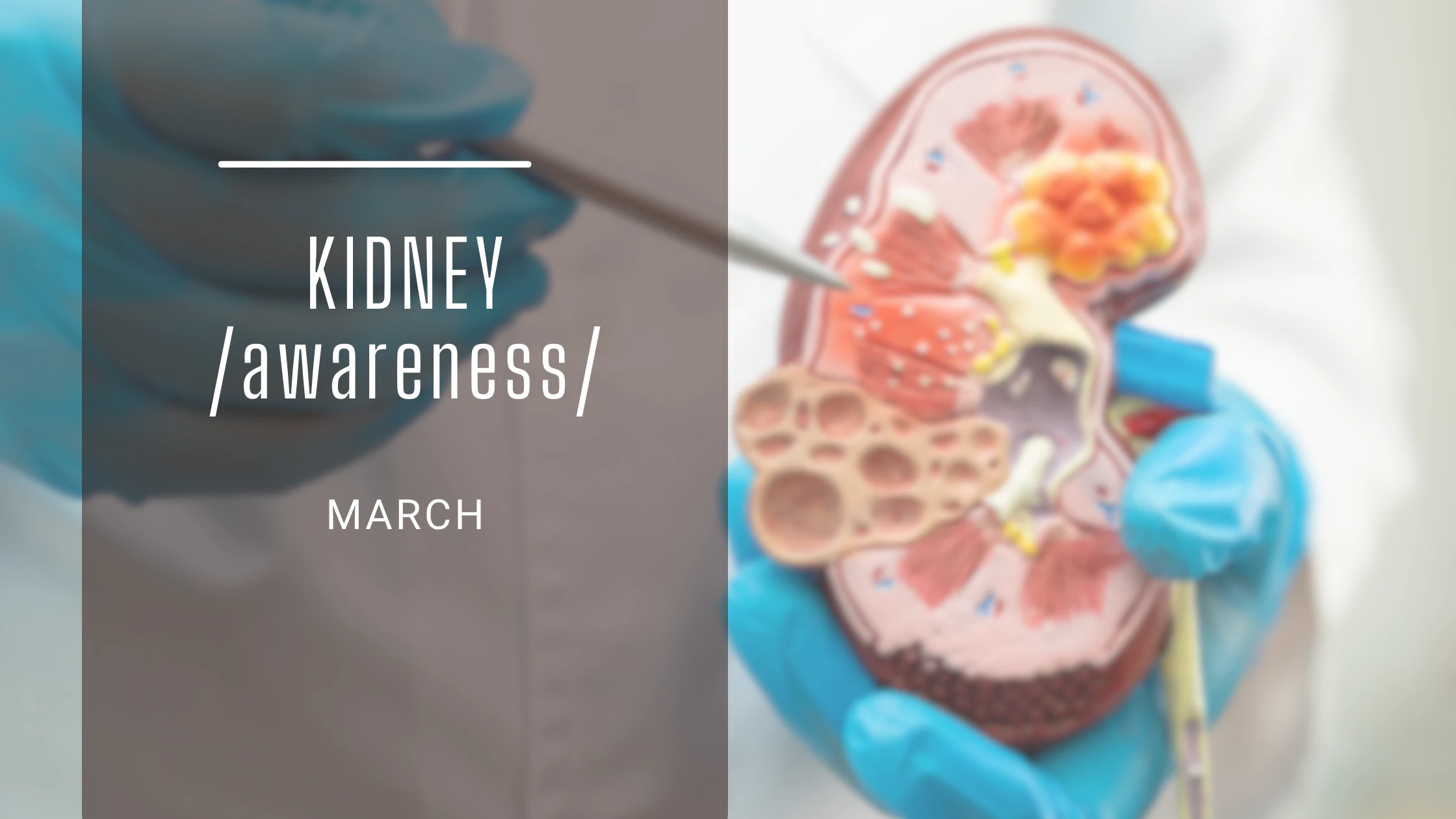
“The Kidneys: Organs That Can Change Lives”
God made the human body to be wonderful (Psalm 139:13-16). God formed the inward parts of human beings. Human beings have the responsibility to keep their body, the temple of God, in good working order. One way to keep the body functioning properly is to be aware of the body and note any signs or symptoms that cause unusual feelings. Specialists have produced monthly notices to help humans to be aware of body parts or lack of functioning body parts. The month of March is Kidney Awareness month. Two essential organs (inward parts) that help the body, make up the urinary system, and perform necessary functions are the kidneys. They provide life-changing assistance to the body. The kidneys along with the ureters, bladder, and urethra work together to keep a person’s body moving in decent shape by removing liquid waste from a person’s body. The kidneys are about the size of the person’s fist and are located on either side of the back of the abdomen below the rib cage. The kidneys are the blood-filtering organs that usually filter about 150 to 200 quarts of blood per day and eliminate about 1 to 2 quarts of liquid waste through urination (pee) per day. To get a visual measurement of the quarts, think about a quart of milk (32 fluid ounces or 0.95 liters) and image that amount to 1.95 liters passing through the body into the toilet. The body uses the other water in the body to hydrate the body and regulate other body parts. Most people are born with two kidneys, but some people have been born with one kidney and function fine. When the kidneys have problems filtering a person’s blood, they cannot eliminate the liquid toxins from the body and that becomes a problem that affects the whole body. The kidneys may become diseased, and the body shuts down when the toxins stay in the body and contaminate other organs. The kidneys get help from water intake (a person drinking water) to move those toxins along the urinary system to be eliminated from the body. The kidneys also balance the electrolytes in the body.
The care of the kidneys is important to the function of the body, so it is important to:
- Avoid tobacco products
- Eliminate excess salt
- Drink plenty of water (8 to 10 eight-ounce cups/glasses per day)
- Increase daily physical activity
- Limit the use of nonsteroidal anti-inflammatory drugs
- Keep weight at a healthy level
- Monitor blood pressure
- Monitor blood sugar levels
If you notice muscle cramps, dark urine or blood in the urine, foamy urine, itchy dry skin, more frequent urination, puffy eyes or swollen ankles and feet, sleep problems, fatigue and lack of appetite, or stomach pain or vomiting, it’s time to get checked by a physician. Do not wait for the next sign or symptom. The kidneys may be treated and recover, but if one waits too late, the kidneys may have to be treated through dialysis (filtering of toxins, waste products, and excess fluids from the blood using a machine); removed; or replaced through transplantation (get another kidney from a suitable donor). Honor God by taking care of the inward parts as well as the outer parts of the body. For more information about the kidneys, please consult your physician and the National Kidney Foundation.
About the Author: Christene Franklin Long is an active member of St. John Missionary Baptist Church. She is a child of God; a wife; a mother; a grandmother; a great grandmother; an aunt; a cousin; a friend; a student; a member of the Women’s Missionary Union; a member of the Music Ministry and other musical groups; a member of the Health and Wellness Ministry and Chronic Illness Support Group; and a Girl Scout Troop Leader; just to name a few memberships. Christene is blessed to be ‘a woman Jesus can teach.’